Source Z Fold ECG Paper for Hospitals Clinics and Home Care
Find 30 listings for Z Fold ECG Paper from verified manufacturers in China. Buyers can compare specifications like 110mm and 210mm sizes, packaging options, and certifications such as ISO 13485 and CE for medical recording needs.
Key considerations
Products List


Z- Fold/Roll ECG Paper ECG Machine Reording Paper Rolls Medical Chart Paper
$0.35 - $4.00
MOQ: 1000 Boxes


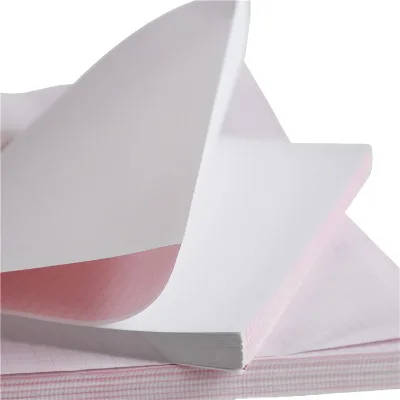


3 Channels 280 mm × 295 mm 57*23*12 210 mm X 280 mm Zipold ECG Paper Sheet
$0.21 - $0.62
MOQ: 500 Pieces


Comprehensive Sourcing Guide
Strategic Sourcing Guide for Z-Fold ECG Medical Recording Paper
The global demand for high-fidelity electrocardiogram (ECG) recording media remains a critical component of diagnostic infrastructure in hospitals, clinics, and ambulatory care centers. For procurement professionals, sourcing "Z-fold ECG paper" requires a nuanced understanding of material science, regulatory compliance, and supply chain logistics. This guide synthesizes available market data to provide a disciplined framework for evaluating suppliers, ensuring that the selected products meet rigorous medical standards without relying on unverified claims. The focus is on identifying reliable sources for pure wood pulp-based recording paper that adheres to international quality benchmarks while optimizing total cost of ownership.
Technical Specifications and Material Composition
The core of any ECG paper procurement strategy lies in verifying the physical and chemical specifications of the product. The primary material observed in the current market for high-quality recording paper is pure wood pulp. This material choice is essential because it provides the necessary thermal sensitivity required for modern thermal printers while maintaining structural integrity during the folding process. The "Z-fold" configuration, also known as accordion folding, is a specific mechanical design that allows for compact storage and easy feeding into ECG machines. Buyers must verify that the paper thickness and fold consistency align with the specific requirements of their diagnostic equipment to prevent jams or misalignment during recording.
Dimensional accuracy is another critical technical parameter. Market observations indicate a wide range of standard sizes, including 110mm widths, which are common for standard diagnostic units. However, the data also reflects a capability for "Any Size" customization, suggesting that suppliers can accommodate non-standard requirements for specialized equipment. Specific model observations, such as the 110mm specification and various standard dimensions like 210mm295mm or 152mm90mm, highlight the diversity of formats available. Procurement teams must ensure that the selected paper width and length match the printer's thermal head specifications and the desired recording duration. The layer quantity is typically observed as "Single," which is standard for thermal paper, but verification of the coating quality is necessary to ensure that the printed image remains clear and does not fade over time.
Compliance and Certification Verification
In the medical device supply chain, certification is not merely a formality but a prerequisite for market entry and patient safety. The supplied data confirms that reputable suppliers in this sector often hold a combination of ISO 9001 and ISO 13485 certifications. ISO 9001 indicates a robust quality management system, while ISO 13485 is specifically tailored for medical devices, ensuring that the manufacturing processes meet stringent regulatory requirements for safety and efficacy. Additionally, CE marking is frequently cited, indicating compliance with European Union health, safety, and environmental protection standards.
Beyond the major ISO standards, buyers should look for environmental and material safety certifications. The data references SGS, F.S.C (Forest Stewardship Council), and F.D.a certifications. SGS is a global leader in inspection, verification, testing, and certification, providing third-party assurance of product quality. F.S.C certification is particularly relevant for wood pulp products, ensuring that the raw materials are sourced from responsibly managed forests. It is important to note that while some listings mention these certifications, procurement professionals must request valid, current certificates for the specific batch of goods being purchased. Furthermore, the data indicates that the products are "Without Ethylene Oxide Sterilization," which is a crucial distinction for non-sterile consumables. Buyers must confirm that the sterilization status aligns with their facility's infection control protocols, as ECG paper is generally considered a non-sterile item but must be free from harmful chemical residues.
Cost Drivers and Pricing Dynamics
Understanding the cost structure of Z-fold ECG paper is essential for budgeting and negotiation. The observed price range in the market spans from $0.13 to $4.23 USD per unit. This significant variance is not indicative of quality differences alone but is heavily influenced by volume, customization, and packaging configurations. The minimum order quantity (MOQ) is equally variable, ranging from as low as 1 pad to 2000 units. This flexibility allows buyers to scale their orders based on immediate needs or long-term contracts.
Several factors drive the final cost. Customization is a primary driver; the availability of OEM services and logo printing allows for branding but may incur additional setup costs. Packaging requirements also impact pricing, with options ranging from 50 rolls per box to 200 rolls per carton. The "Any Size" capability mentioned in the specifications suggests that non-standard dimensions may carry a premium due to lower production efficiency. Additionally, the "High Quality" designation often correlates with higher-grade thermal coatings and stricter quality control measures, which can elevate the unit price. Buyers should analyze the total cost per recording rather than just the unit price, considering factors like paper waste, printer compatibility, and the longevity of the printed records.
Typical Applications and Usage Scenarios
Z-fold ECG paper serves as a fundamental diagnostic tool in various healthcare settings. The primary application is in the recording of electrocardiograms, where the paper captures the electrical activity of the heart over a specific period. The "Clear" printing image attribute observed in the data is vital for accurate diagnosis, ensuring that the waveform is legible and free from artifacts. The product is categorized under "Surgical Supplies Materials" and "ECG Medical Recording Paper," indicating its use in both surgical environments and general diagnostic wards.
The "Group: Adult" specification suggests that while the paper is universal, the standard dimensions are optimized for adult patients. However, the flexibility in size and customization implies that these products can be adapted for pediatric or specialized cardiac monitoring needs. The "Two Years" quality guarantee period mentioned in the data provides assurance regarding the shelf life and stability of the thermal coating. This is particularly important for facilities that maintain large inventories to ensure that the paper remains effective until the point of use. The absence of ethylene oxide sterilization confirms that these products are intended for general diagnostic use rather than sterile surgical procedures, simplifying storage and handling requirements.
Supplier Evaluation and Sourcing Strategy
When evaluating potential suppliers, procurement teams should adopt a multi-faceted approach that goes beyond price comparison. The geographic origin of the products is a key factor, with observations pointing to manufacturing hubs in Jiangsu, Shanghai, Anqing, and Guangdong, China. These regions are known for their robust manufacturing infrastructure and supply chain capabilities. Buyers should verify the specific location of the factory to assess logistics costs and lead times.
The data highlights several critical attributes for supplier selection. "OEM Service Accepted" and "Logo Printing" capabilities indicate a supplier's willingness to collaborate on branding and custom specifications. The "Packing: According to Your Needs" attribute suggests a flexible approach to logistics, which can be beneficial for optimizing shipping costs. However, buyers must be cautious of inconsistent data points, such as varying model numbers (e.g., DXS030, DXS017, TOPEP210280) and conflicting standard dimensions. A reliable supplier should be able to provide a clear, consolidated product catalog that aligns with the buyer's specific equipment requirements.
Quality Control and Performance Assurance
Quality control is the backbone of successful procurement in the medical consumables sector. The presence of SGS standards and ISO certifications provides a baseline for quality assurance, but buyers must implement their own verification processes. The "High Quality" claim observed in the data should be substantiated by sample testing. Key performance indicators for ECG paper include the clarity of the printed image, the consistency of the fold, and the thermal sensitivity of the coating.
Buyers should request samples to test the paper in their specific ECG machines. This practical testing can reveal issues such as paper jams, poor print contrast, or premature fading. The "Single" layer construction should be verified to ensure it meets the thermal requirements of the printer without causing overheating or damage. Additionally, the "Two Years" quality guarantee period should be reviewed in the context of the supplier's storage and distribution practices to ensure that the guarantee is valid upon delivery. Regular audits of the supplier's production line and quality control records can further mitigate risks associated with batch-to-batch variability.
Long-Term Procurement Considerations
Sourcing Z-fold ECG paper is not a one-time transaction but a strategic partnership that impacts long-term operational efficiency. The variability in MOQ and pricing suggests that buyers should consider volume-based contracts to secure favorable terms. The ability to customize packaging and dimensions allows for long-term alignment with evolving equipment needs. However, the diversity of model numbers and standards observed in the market underscores the importance of maintaining a standardized product list to avoid confusion and supply chain disruptions.
Buyers should also consider the environmental impact of their procurement decisions. The F.S.C certification mentioned in the data offers a pathway to sustainable sourcing, which can be a valuable component of corporate social responsibility initiatives. Furthermore, the "Without Ethylene Oxide Sterilization" attribute simplifies waste management and disposal protocols, reducing the environmental footprint of the facility. By focusing on suppliers who offer a combination of high quality, regulatory compliance, and flexible customization, procurement teams can build a resilient supply chain that supports the critical diagnostic needs of their healthcare organization.
| Feature | Observation from Data | Procurement Verification Requirement |
|---|---|---|
| Material | Pure Wood Pulp | Verify purity and thermal coating quality. |
| Certifications | ISO 9001, ISO 13485, CE, SGS, F.S.C | Request current, batch-specific certificates. |
| Dimensions | 110mm, 210mm295mm, 152mm90mm, "Any Size" | Match to specific ECG machine specifications. |
| Packaging | 50 Roll/Box, 200 Rolls/CTN, Customizable | Confirm packaging integrity and storage requirements. |
| Sterilization | Without Ethylene Oxide Sterilization | Confirm non-sterile status aligns with facility protocols. |
| Origin | Jiangsu, Shanghai, Anqing, Guangdong, China | Assess logistics costs and lead times based on location. |
| MOQ | 1 pad to 2000 units | Negotiate volume tiers for cost optimization. |
| Quality Guarantee | Two Years | Verify terms and conditions of the guarantee period. |
In conclusion, sourcing Z-fold ECG paper requires a disciplined approach that balances technical specifications, regulatory compliance, and cost efficiency. By leveraging the available data and adhering to rigorous verification protocols, procurement professionals can secure a reliable supply of high-quality recording paper that supports the critical diagnostic needs of their healthcare facilities. The focus must remain on verified facts and trusted standards, avoiding unconfirmed claims to ensure the safety and efficacy of the medical products used in patient care.
FAQs
What material is used for Z Fold ECG Paper?
The paper is made from pure wood pulp to ensure thermal sensitivity and structural integrity. This material supports clear image printing while maintaining the fold consistency required for standard diagnostic equipment.
Which certifications do suppliers typically hold?
Reputable sources often hold ISO 9001, ISO 13485, and CE certifications for quality and safety. Additional verification may include SGS, F.S.C, or F.D.a standards to confirm material sourcing and product reliability.
Can I customize the size and packaging?
Yes, suppliers accept OEM services and offer packaging according to your specific needs. While standard sizes like 110mm are common, customization allows for any size requirements to match unique printer specifications.
What is the minimum order quantity for purchase?
The minimum order quantity ranges from 1 pad to 2000 units depending on the supplier. This flexibility allows buyers to scale orders based on immediate inventory needs or long-term contract requirements.
How is the product packaged for shipment?
Packaging varies by model, with options like 50 rolls per box or 200 rolls per carton. Some suppliers offer 200 sheets per box with 20 boxes per carton to optimize logistics and storage efficiency.
Are these products sterilized with ethylene oxide?
No, the products are without ethylene oxide sterilization as they are non-sterile consumables. This distinction simplifies storage and handling while ensuring the paper remains free from harmful chemical residues for general diagnostic use.